
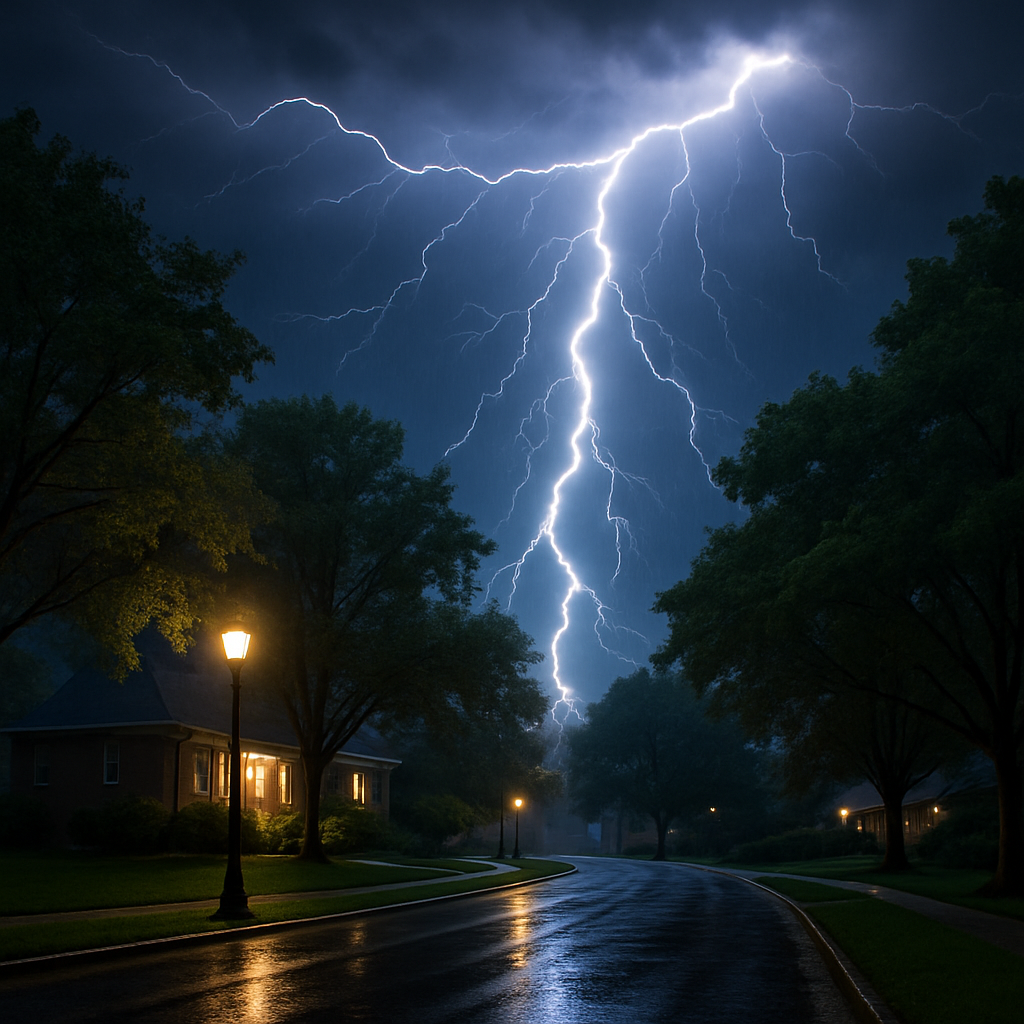
What Northern Virginia homeowners need to know during storm season.
In Northern Virginia, summer storms can roll in fast, bringing booming thunder, heavy rains, and powerful lightning. And while it’s easy to think about securing patio furniture or checking your sump pump, your HVAC system is another essential part of your home that could be at risk.
So what actually happens when a thunderstorm targets your HVAC unit? Let’s walk through the potential damage and what you can do to prevent it.
Common HVAC Problems After a Storm
1. Power Surges and Electrical Damage
The biggest threat? A lightning-induced power surge. Even if lightning doesn’t strike your home directly, a nearby hit can send a powerful surge through your electrical system. HVAC units are packed with sensitive electronics, including your thermostat, compressor, and control board—all of which can be fried in an instant.
Signs this may have happened:
- HVAC system won’t turn on
- Thermostat display is blank or flashing
- Strange burning smell or popping sounds
- Tripped circuit breaker that won’t reset
2. Outdoor Unit Damage
Your condenser unit is often exposed to the elements in your backyard. Heavy winds and falling branches can dent or dislodge parts. Torrential rain or hail may flood or damage the unit, especially if drainage is poor.
What to check for:
- Visible dents or broken fan blades
- Pooled water at the base of your unit
- Debris clogging up the coils or fan
3. Communication Breakdown Between System Components
Lightning and power spikes can scramble the system’s internal communication, especially in modern units. This may cause your HVAC to cycle improperly, blow warm air, or shut down entirely.
A Word of Caution: Don’t DIY This One
When it comes to storm-related HVAC issues, especially electrical damage, this is not the time to troubleshoot it yourself. HVAC systems are complex and can carry high-voltage risks even after a shutdown. Trying to fix a fried control board or diagnose a blown capacitor without proper tools and training could result in serious injury.
If your system won’t turn on, smells off, or is making strange noises after a storm, don’t guess, please, call a professional. The team at Shaw Services is equipped to handle these situations safely and accurately so you can avoid further damage or danger.
How to Protect Your HVAC System During Storm Season
Northern Virginia weather isn’t always predictable, but here are ways to minimize your HVAC’s risk:
- Invest in a surge protector specifically for your HVAC system. A whole-home surge protector is ideal for layered defense.
- Schedule regular maintenance to ensure everything is running smoothly before a storm ever hits. A technician can also assess the unit’s drainage and position.
- Turn off the system during severe weather if possible. This can help avoid damage if a surge does occur.
- Keep the area around your outdoor unit clear of branches, leaves, and other debris that could be blown into the unit.
- Check your homeowner’s insurance to see what coverage is available for storm-related HVAC damage.
🧰 Already Seeing Issues? Call in the Experts.
If your HVAC system is acting strange after a storm—whether it’s refusing to turn on, blowing warm air, or making unusual noises—it’s time to call Shaw Services. Our licensed technicians can perform a full system diagnostic and determine whether a repair or replacement is needed.
We’ve helped families across Northern Virginia stay cool through countless summers and storms. Let us help you get back to comfort—fast.
📞 Call Shaw Services today or book online for storm-related HVAC service.